

A file downloaded from Google Drive is saved to the destination chosen by the browser or device app. On a computer, check the browser's Downloads folder first. On Android, check the Files app or the phone's file manager. On iPhone or iPad, check Files or Photos, depending on the save action. A file marked Available offline is different: it stays accessible through Google Drive and may not appear as a regular file in Downloads.
Quick Answer: Check the App That Saved the File
Google Drive does not have one universal download folder for every device. A browser download follows that browser's save location. A Drive app download follows the phone's file and media handling. If you selected a destination in a Save dialog, use that folder. If you only turned on offline access, reopen the file in Drive's Offline section instead of looking for a downloaded copy.
The fastest first check is the recent download list in your browser or the Recent/Downloads view in your device's file manager. Those lists can help locate a file even when you do not remember its name or folder. For an exact location, open the file's details or use the browser's "Show in folder" action on a computer.
Where Google Drive Downloads Go on a Computer
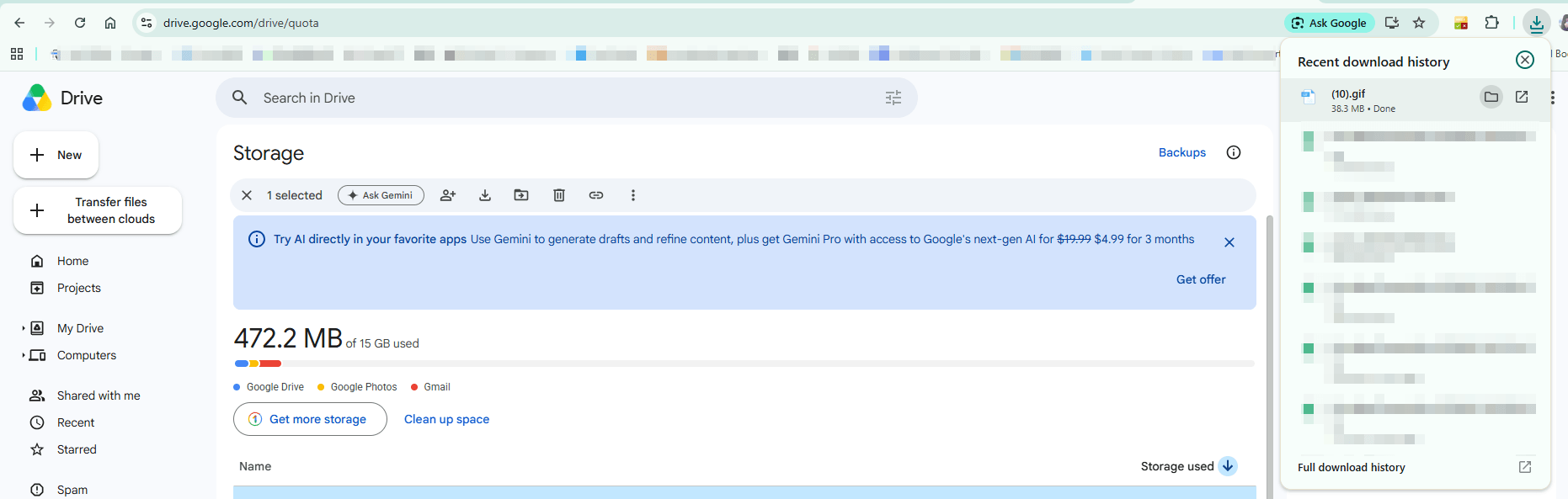
When you download from drive.google.com in a web browser, the browser handles the local save. In Chrome, the default location is usually the Downloads folder in your user profile on Windows, macOS, or Linux, unless you changed the setting or chose another folder in a save prompt. The Chrome downloads list shows recent items and can reveal the saved file's location.
Other browsers have their own download settings, so do not assume a Google Drive file always goes to Downloads. If the browser asks where to save, the location you selected takes precedence. If you use a work or school computer, browser policies or a managed profile may also affect which save options are available.
Find a Google Drive Download in Chrome
Use this route when you downloaded from Drive in Chrome on a computer and the file did not appear where you expected.
Step 1. Open Chrome's Downloads page.
Select the three-dot menu, then Downloads. You can also press Ctrl+J on Windows or Linux, or Command+Shift+J on Mac. Find the file in the list; Chrome's download history is separate from the file itself, so removing an entry from the list does not delete the saved file.
Step 2. Open the saved location or search the folder.
Use "Show in folder" beside the download when available. Chrome's Downloads settings also show the default save path and let you change it or ask where to save each file. Check the setting if the folder is not the standard Downloads location.
Google Drive for Desktop Is a Different Location
If you installed Google Drive for desktop, files can appear in a Google Drive location in File Explorer or Finder rather than in the browser's Downloads folder. With mirroring, selected Drive content is stored on your computer in the configured Google Drive folder. With streaming, files remain in the cloud until opened or made available offline, while local cache data may use disk space.
That distinction matters when a file seems to be "on the computer" but is not in Downloads. A Drive for desktop file is part of the Drive location and its sync or offline settings; a browser download is a separate local copy. Google's offline guide explains that streamed files use a local cache and mirrored files are stored on both the computer and Drive.
Where Downloads Go on Android
When you use the Google Drive app's Download command on Android, start with the device's Files app or manufacturer's file manager. Check Downloads and Recent, then search by file name or sort by date. Android's file manager may be called Files, Files by Google, My Files, or something similar, and labels can vary by phone maker and Android version.
Step 1. Open Google Drive and download the file.
Find the file, tap More next to its name, and tap Download. Wait for the download to finish before searching. Google Drive's download command saves a local file; it is not the same as merely opening a preview or marking a file available offline.

Step 2. Look in Downloads or Recent in the phone's file manager.
Open Files or your phone's file manager, then check Downloads and Recent. If you cannot find the app, search the app list for "Files." You can also search for part of the filename. Device makers may organize local files differently, so use the file manager's search if the Downloads folder is not immediately visible.
For photos or videos, check the file manager first and then the gallery or Photos app if you used a media-specific save action. A file may be stored locally without being added to a particular album. Use the app's share or move command if you want to place it in a different folder.
Where Downloads Go on iPhone or iPad
On Apple devices, the destination depends on whether you save an ordinary file, a photo or video, or an offline copy. If you want a visible file you can find again, choose Save to Files and select a destination such as On My iPhone or iCloud Drive. A photo or video saved to the Photos library will appear in Photos rather than the Files Downloads folder.
Step 1. Save an ordinary file to Files when you need a clear folder location.
In Google Drive, open the file's More menu and use the available share, send-a-copy, or open-in action. Choose Save to Files, select On My iPhone or iCloud Drive, then choose a folder and tap Save. The exact menu wording can vary by file type. This explicit save flow lets you select the location instead of guessing where an in-app download went.

Step 2. Save images and videos to Photos when you want them in your library.
For a photo or video, choose the action that saves it to Photos, such as Save Image or Save Video when available. Then open Photos and check Recents. If you chose Save to Files instead, look in the Files folder you selected. These are separate destinations; a media file saved to Files will not necessarily appear in the Photos library.
Apple's Files app also has a Downloads folder. If the file came from a browser download, open Files, tap Browse, then check iCloud Drive or On My iPhone and open Downloads. Apple notes that Safari's Downloads button can also reopen a recently downloaded file.
Downloaded, Available Offline, and Synced Files Are Not the Same
A download creates a local copy at a location managed by the app or browser. "Available offline" keeps a file accessible without a connection inside Google Drive or the relevant Google app; Google lists these files under Offline. It does not automatically mean the file was exported to the device's general Downloads folder.
Google Drive for desktop adds another case: streamed items appear in a virtual Drive location and may rely on cache until opened or pinned for offline access, while mirrored items occupy local storage in the configured folder. Check which method you use before searching your usual Downloads path.
If a file was opened but not explicitly downloaded, the app may only have displayed a preview or temporary copy. If you need a separate file for an email attachment or another app, use a save/export action and choose a destination. For a shared item, the owner may also restrict downloading; see this guide on downloading files shared with you in Google Drive.
If You Still Cannot Find the File
Start with the place that handled the download: browser history on a computer, Files on a phone, or the Google Drive app's Offline list for offline-only items. Search by a distinctive part of the filename and sort by the most recent date. If the download was a group of files, check for a ZIP archive rather than expecting each item to appear separately.
Confirm that the download completed and that you are looking in the same browser profile or device account used to start it. Then check the browser's current save location, the phone's file manager, and any app-specific save destination such as Photos. If the download itself failed, use the Google Drive troubleshooting steps for files that will not download rather than repeatedly searching for a file that was never saved.
Advanced Tip: How to Manage Multiple Google Drive Accounts
Google Drive offers 15GB of free storage space. When you want to save free space, you can download files from Google Drive. Alternatively, you can expand free space by creating multiple Google accounts. This way, you can save a large number of files to the cloud. However, the point is that it might be a mass if you have several Google accounts at the same time. To manage and organize your Google Drive accounts more efficiently, it is recommended to use a smart cloud file manager, MultCloud.

Over 40 leading and reliable cloud services are supported, including Google Drive, iCloud, iCloud Photos, Dropbox, MEGA, IDrive e2, Amazon S3, OneDrive, Box, Google Workspace, Google Photos, and many more. You can access, manage, and move data between various cloud storage accounts/services simply and seamlessly, which eliminates the need for them to initially be downloaded to your local devices.
Now, let's figure out how to manage multiple Google Drive accounts via MultCloud in the following section:
Step 1: Create a MultCloud account
You are allowed to sign up for an account free by your email. Or, you can sign in with your Google, Facebook, or Apple ID.
Step 2: Add Google Drive accounts
After logging in successfully, navigate to Add Cloud on the left taskbar, then click on the icon of Google Drive to add your account. Next, repeat the same steps to add other Google Drive accounts.
Step 3: Manage Google Drive accounts
After adding Google Drive accounts, they will be displayed on the left navigation bar. When you want to find one specific item, you can utilize the Search feature, which helps you filter the item from all Google accounts quickly and easily. Meanwhile, you can perform many operations, such as:
- Share Google Drive folders and files in 3 smart sharing options, such as public share, private share, or source share.
- Download documents from Google Drive and upload files to the cloud directly.
- Copy Google Drive files from one account to another smoothly.
- Rename a file, create a folder, delete an item, and so on.
When you want to transfer files from one cloud to another, you can take advantage of the Cloud Transfer feature. This function allows you to migrate files between cloud services without downloading and uploading manually. Instead, it offers many conveniences below:

- Efficient: Equipped with a leading migration speed, MultCloud helps you migrate files between cloud services ASAP.
- Seamless: Different from downloading files to your local device first, MultCloud offers a direct and effortless way to ease the migration process.
- Smart: Offline, automatic, and scheduled transfers are supportive on MultCloud, so you can create personalized transfer tasks easily. For example, you can transfer photos from Dropbox to iCloud monthly.
Likewise, you can utilize the Cloud Sync and Cloud Backup features to sync and back up files from one cloud to another effortlessly. Similar to the cloud-to-cloud transfer feature, you can enable offline, automatic, and customized backup and sync across cloud drives in a hassle-free way. To enable each feature, navigate to Cloud Transfer, Cloud Sync, and Cloud Backup respectively. MultCloud offers a user-friendly interface, so you can get started with ease.
Conclusion
In conclusion, understanding where do downloaded files from Google Drive go and how to manage them effectively is essential for optimizing your file storage and access experience. By following the tips outlined in this article, you can ensure that your downloaded files are organized, accessible, and secure. With the help of MultCloud, you can manage files on Google Drive accounts or other cloud services without any effort. By connecting multiple cloud accounts/services together, you don't need to navigate to different platforms frequently.
FAQ
Do Google Drive downloads always go to the Downloads folder?
No. A browser may use Downloads by default, but its settings or a save prompt can send the file elsewhere. Phone apps can save to Files, Photos, or an app-specific area. Check the recent download list first, then verify the browser or app's chosen location before downloading again.
Where are Google Drive files marked Available offline?
They remain accessible from Google Drive's Offline section or the relevant Google app, rather than necessarily appearing in the device's general Downloads folder. Offline access is designed for use without a connection. To create a regular file copy, use a download or save/export action and choose a destination.
Where does Google Drive save downloaded files on Android?
Start with the Files app or your phone's file manager and check Downloads or Recent. The exact app name and folder labels vary by device. If the file is missing, search by filename and confirm the download completed in Drive before trying again.
How do I choose where a Google Drive file goes on iPhone?
Use the file's share or export action and choose Save to Files, then select On My iPhone or iCloud Drive and the folder you want. For images and videos, choose Save Image or Save Video if you want them in Photos. Check the destination you selected after saving.
Is a file in Google Drive for desktop's cache the same as a downloaded file?
No. A streamed Drive file can use local cache while remaining in the cloud-backed Drive location; it is not necessarily a standalone file in Downloads. A mirrored file is stored in the configured Google Drive folder. Use the browser or device app's download action when you need a separate copy.
MultCloud Supports Clouds
-
Google Drive
-
Google Workspace
-
OneDrive
-
OneDrive for Business
-
SharePoint
-
Dropbox
-
Dropbox Business
-
MEGA
-
Google Photos
-
iCloud Photos
-
FTP
-
box
-
box for Business
-
pCloud
-
Baidu
-
Flickr
-
HiDrive
-
Yandex
-
NAS
-
WebDAV
-
MediaFire
-
iCloud Drive
-
WEB.DE
-
Evernote
-
Amazon S3
-
Wasabi
-
ownCloud
-
MySQL
-
Egnyte
-
Putio
-
ADrive
-
SugarSync
-
Backblaze
-
CloudMe
-
MyDrive
-
Cubby